
Concrete in Lucerne Valley, CA
Victorville Superior Concrete Superior Concrete brings dependable, high-desert-tested concrete construction to homeowners, ranchers, and small businesses throughout Lucerne Valley. Just a 25-mile run down Highway 18 from our Victorville yard, our crews already know what this stretch of San Bernardino County's high desert demands: decomposed granite soils, wide-open acreage, and weather swings that punish poorly built slabs. Whether you're pouring a driveway off Rabbit Springs Road, a horse arena pad on a multi-acre parcel near Cougar Buttes, or a foundation for a new build close to the cement plant corridor, we show up with the right mix design and equipment for this terrain.
Lucerne Valley isn't a suburban grid — it's ranchettes, off-grid homesteads, RV pads, and agricultural outbuildings spread across sandy, rocky terrain along Old Woman Springs Road and Highway 247. We pour driveways, patios, RV and equipment pads, pole barn and shop slabs, foundations, retaining walls, and septic-adjacent hardscape sized to how people actually live out here — with horse trailers, generators, and long dirt-road approaches in mind. Every project starts with a free on-site estimate so you know your cost, timeline, and site-prep needs before we break ground.
Concrete Built for Lucerne Valley's Rural High Desert Properties
Most Lucerne Valley properties sit on parcels of an acre or more, often zoned for horses, livestock, or light agriculture. That changes what "concrete work" means out here compared to a subdivision lot in town. We regularly pour extended driveway aprons that can handle a horse trailer or flatbed, wide RV parking pads with power and water stub-outs already roughed in, and equipment pads for generators, propane tanks, and water storage systems that many properties rely on outside the public water district's reach.
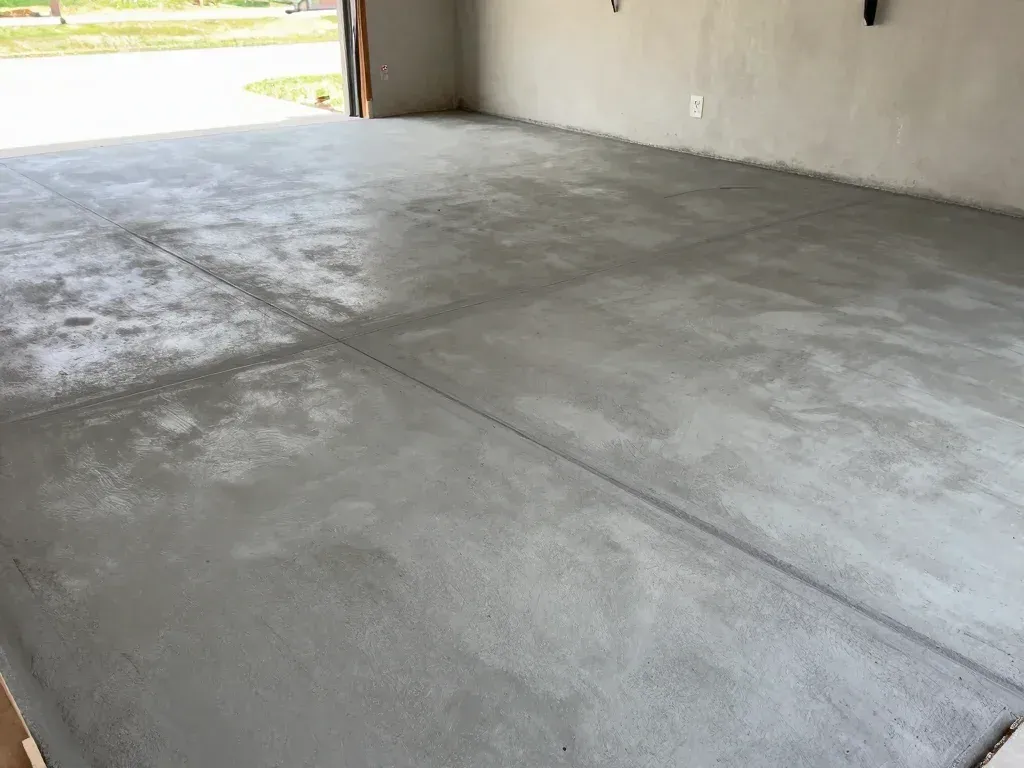
Pole barns, hay barns, and metal shop buildings are a way of life in Lucerne Valley, and nearly all of them need a properly engineered slab before the structure ever goes up. We work directly with owners and their building contractors to pour shop floors and barn foundations rated for vehicle lifts, welding equipment, and heavy storage loads — not just a thin decorative slab that cracks under real use.
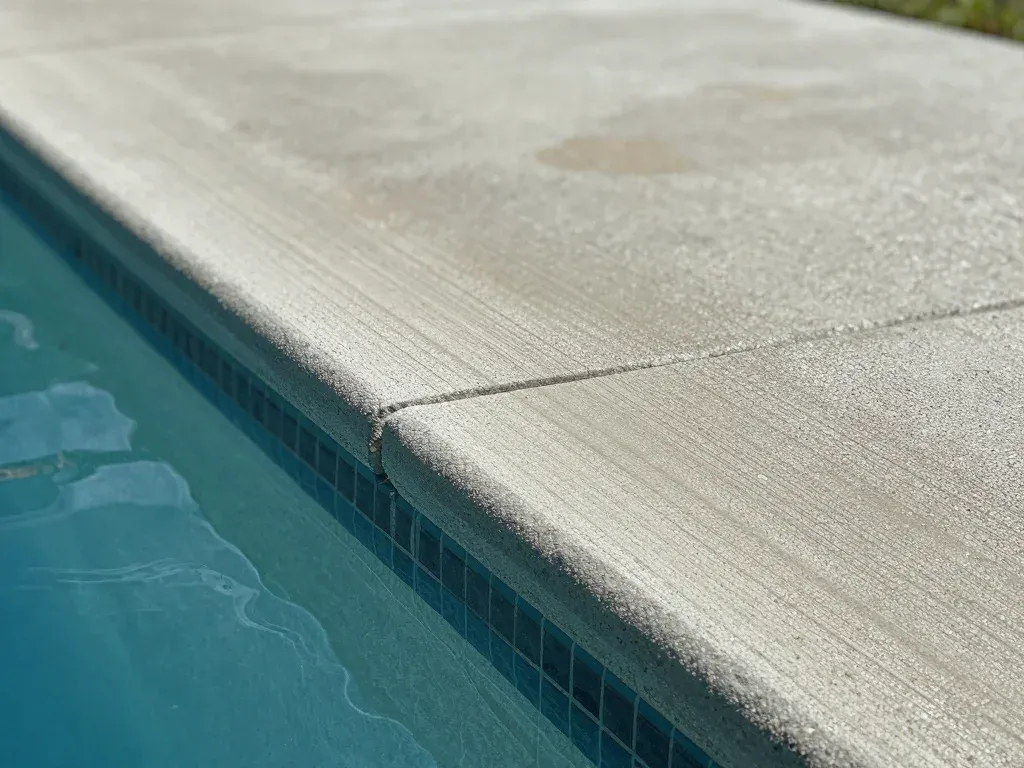
We also handle smaller residential projects: covered patios that give homeowners a shaded spot to escape the summer sun, walkways connecting detached garages and casitas, and stem-wall foundations for additions and ADUs, which have become increasingly common as Lucerne Valley families add living space for extended relatives on existing acreage.
Why Lucerne Valley Soil and Climate Change How We Pour
Lucerne Valley sits in a dry lakebed basin ringed by the Ord Mountains and the San Bernardino range, which means soil composition varies dramatically from one parcel to the next — sometimes within a few hundred feet. Near the old lakebed flats, we frequently encounter fine, alkaline silt that shifts when it gets wet; closer to the foothills, decomposed granite and rock outcroppings are more common. We test and prep each site individually rather than defaulting to a one-size-fits-all base, because a driveway poured without the right subgrade compaction here will crack or heave within a season or two.
The valley's climate swings are extreme even by high desert standards — summer surface temperatures on Highway 18 regularly push past 105°F, while winter nights can drop well below freezing, and the area gets real snow more often than most people expect from a desert. That freeze-thaw cycle stresses concrete that isn't properly air-entrained and cured. We adjust our mix design and curing schedule seasonally, and we time larger pours around the monsoon season's flash-flood risk, since summer storms can send fast-moving water across low-lying parcels near the Lucerne Valley wash.
Wind is another factor outsiders underestimate. Lucerne Valley is one of the windier pockets of the Victor Valley region, which affects curing time, dust control during excavation, and how we schedule finishing work on exposed slabs. We plan around it instead of fighting it, which keeps your project on schedule and your finished concrete free of wind-scarred surfaces.
A Victorville Crew That Already Knows the Route to Lucerne Valley
Hiring a concrete contractor for an unincorporated community like Lucerne Valley comes with a real risk: many companies either won't travel this far off the 15 corridor, or they show up unfamiliar with the county permitting quirks, septic setbacks, and rural road access that shape a project out here. Victorville Superior Concrete isn't guessing at logistics — Lucerne Valley is a market we serve regularly, and our crews know the drive time, the material haul routes along Highway 18, and how to coordinate with San Bernardino County's building and safety department for permits on unincorporated land.
We also understand the practical realities of rural scheduling: longer driveways mean more prep before a truck can even reach the pour site, some properties run on generator power or limited water access, and dirt access roads can wash out after a storm. We plan our equipment and material delivery around those realities instead of treating your property like a standard in-town lot, which keeps surprise costs and delays off your project.
Lucerne Valley is one stop on a route we run consistently across the high desert's smaller communities. If you're comparing options or have family and neighbors farther out, our crews also regularly serve Silver Lakes, CA, where similar rural lot sizes, HOA-managed recreational amenities, and desert soil conditions call for the same kind of experienced, locally informed concrete work.
Where We Pour Across Lucerne Valley
Our crews work all across Lucerne Valley's spread-out footprint, from properties along Old Woman Springs Road and Highway 18 near the town center and Lucerne Valley Market, out toward the rural parcels bordering the Johnson Valley OHV area, and up toward the foothill lots near Rabbit Springs and the Ord Mountain foothills. We're equally comfortable pouring a compact patio slab for a retiree on a smaller in-town lot as we are laying out a full equestrian facility pad on forty acres.
Because so much of Lucerne Valley sits on well and septic systems rather than municipal utilities, we coordinate concrete placement around leach field locations, well easements, and existing septic infrastructure so nothing gets compromised during excavation. If your property backs up to the dry lakebed, borders BLM land, or sits along one of the valley's unpaved county roads, we've likely already poured something similar nearby and know how to get equipment and mixer trucks safely to your site.
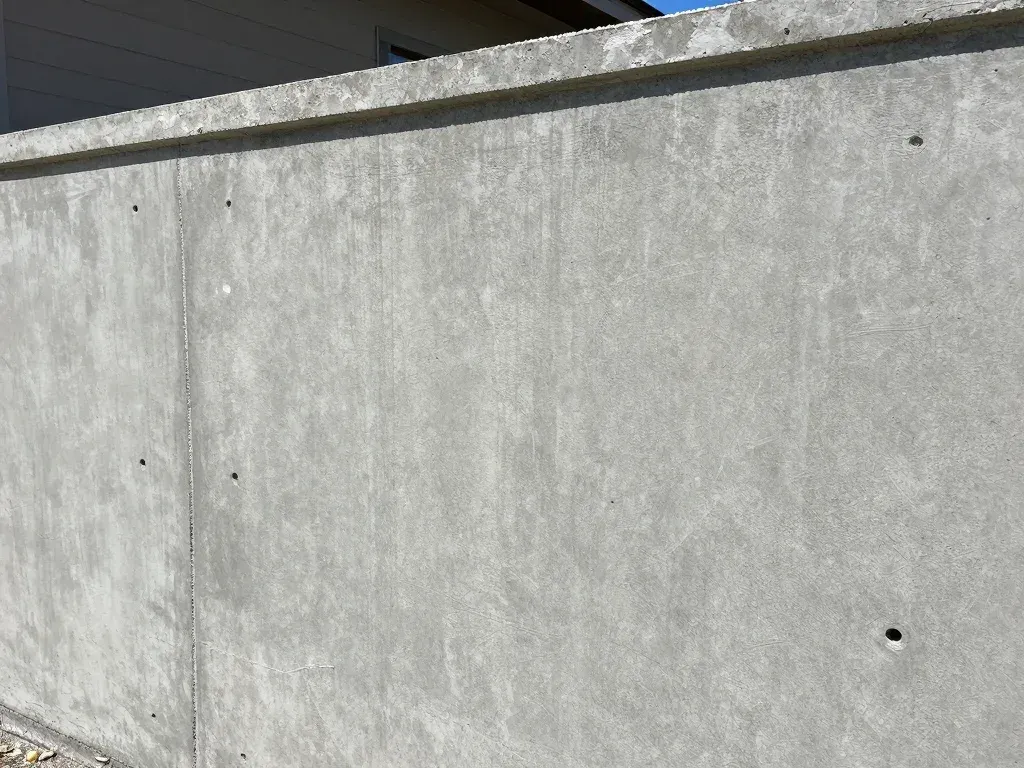
From ranch entry pads and mailbox pull-offs to full home foundations, our goal is the same across every Lucerne Valley project: a slab that's engineered for this specific ground, poured correctly the first time, and built to outlast the desert conditions that wear down lesser concrete work.
Concrete in Lucerne Valley — Common Questions
Do you pour concrete on large rural properties outside Lucerne Valley's town center?
Yes. Many of our Lucerne Valley projects are on multi-acre parcels off Old Woman Springs Road, Highway 18, and the dirt roads bordering Johnson Valley. We regularly handle long driveway approaches, RV pads, and barn slabs on acreage lots, not just standard in-town properties.
How does Lucerne Valley's soil affect my driveway or foundation pour?
Soil here ranges from fine lakebed silt to decomposed granite depending on where your parcel sits, and both react differently to moisture and temperature swings. We test each site's subgrade and adjust compaction and base depth accordingly, which prevents the cracking and heaving common with generic pours in this area.
Can you build a slab for a pole barn, shop, or horse facility?
Yes, this is one of our most common Lucerne Valley requests. We pour engineered slabs and foundations for metal shops, hay barns, and equestrian facilities designed to handle vehicle, livestock, and equipment loads, and we coordinate directly with your building contractor when needed.
My property runs on well water and septic — can you still work around that?
Absolutely. Before any excavation, we map out well locations, easements, and septic leach field boundaries so your concrete placement doesn't interfere with existing infrastructure. This is standard practice for us, since most Lucerne Valley properties aren't on municipal utilities.
How far out do you travel from Victorville to reach Lucerne Valley, and does it cost more?
Lucerne Valley is about 25 miles from our Victorville base via Highway 18, and it's a route our crews run regularly, so it's built into our standard service area. We provide upfront, transparent estimates with no surprise travel fees for rural Lucerne Valley properties.
Get a Free Concrete Estimate for Your Lucerne Valley Property
From ranch pads and pole barn slabs to driveways and patios built for high desert conditions, Victorville Superior Concrete is ready to scope your Lucerne Valley project. Call today or request a free on-site estimate, and let's plan a pour that's built for your soil, your acreage, and your climate.