
Concrete in Apple Valley, CA
Victorville Superior Concrete Superior Concrete has spent years pouring, finishing, and repairing concrete across the High Desert, and Apple Valley homeowners have come to know us as the crew that shows up when they say they will and builds surfaces that hold up to real desert conditions. From horse property driveways off Rancherias Road to backyard patios in Sycamore Rocks, we understand that Apple Valley isn't just a suburb of Victorville — it's its own community with its own soil, its own growth patterns, and its own expectations for quality work.
Whether you need a new driveway poured for a custom home in North Apple Valley, a cracked walkway replaced near Apple Valley Village, or a full concrete pad for an equestrian arena on one of the town's larger parcels, our licensed and insured team delivers durable, properly engineered concrete that's built for the high desert's heat, wind, and shifting soils — not just for the day it's poured.
Concrete Services Built for the Way Apple Valley Lives
Apple Valley is a town of contrasts — sprawling equestrian estates near Rimrock and Johnson Road sit a few miles from newer tract developments around Jess Ranch and Roundup Way. That variety means the concrete work we do here rarely looks the same from one job to the next. We pour long, reinforced driveways for horse properties that need to support trailers and trucks, stamped and colored patios for homeowners entertaining around Spring Valley Lake, and durable RV pads for residents who store recreational vehicles between High Desert getaways.
For equestrian properties, which remain a defining feature of Apple Valley's zoning and lifestyle, we pour wash racks, arena footing perimeters, and utility pads designed to handle constant exposure to water, manure acids, and heavy foot and hoof traffic. For newer subdivisions, we handle standard driveways, sidewalks, and foundations to municipal spec, working efficiently within HOA guidelines that are common in newer Apple Valley developments.
We also handle the practical side of desert living: RV and boat pads, sport court slabs, ADA-compliant ramps for aging-in-place homeowners, and drainage-conscious flatwork that channels the occasional flash-flood downpour away from foundations instead of pooling against them. Every project starts with a site visit and a written estimate, so you know exactly what you're getting before we break ground.
Why High Desert Soil Makes Apple Valley Concrete Different
Apple Valley sits on a mix of decomposed granite, caliche hardpan, and expansive clay pockets that behave very differently depending on which part of town you're in. Near the base of the Sidewinder Mountains and around the Apple Valley Golf Course, we frequently encounter caliche layers that need to be broken up and properly compacted before a slab goes down — skip that step and you'll see settling cracks within a year or two. In flatter areas toward Kiowa Road and the airport corridor, looser sandy soils require deeper base rock and careful compaction to prevent future sinking.
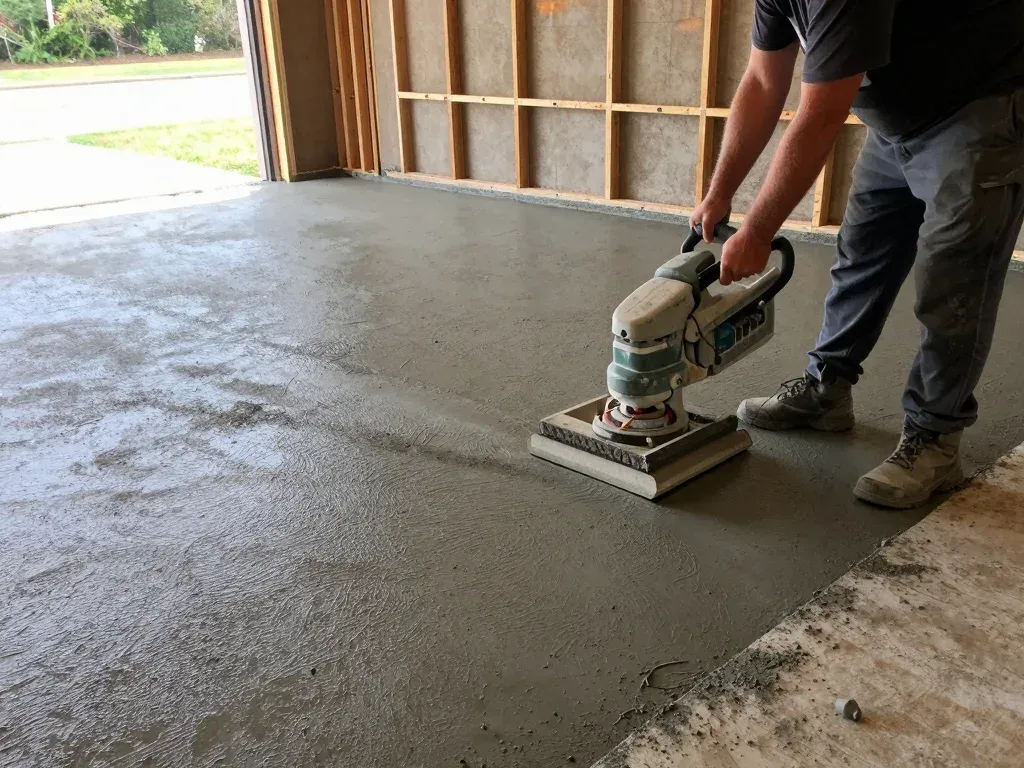
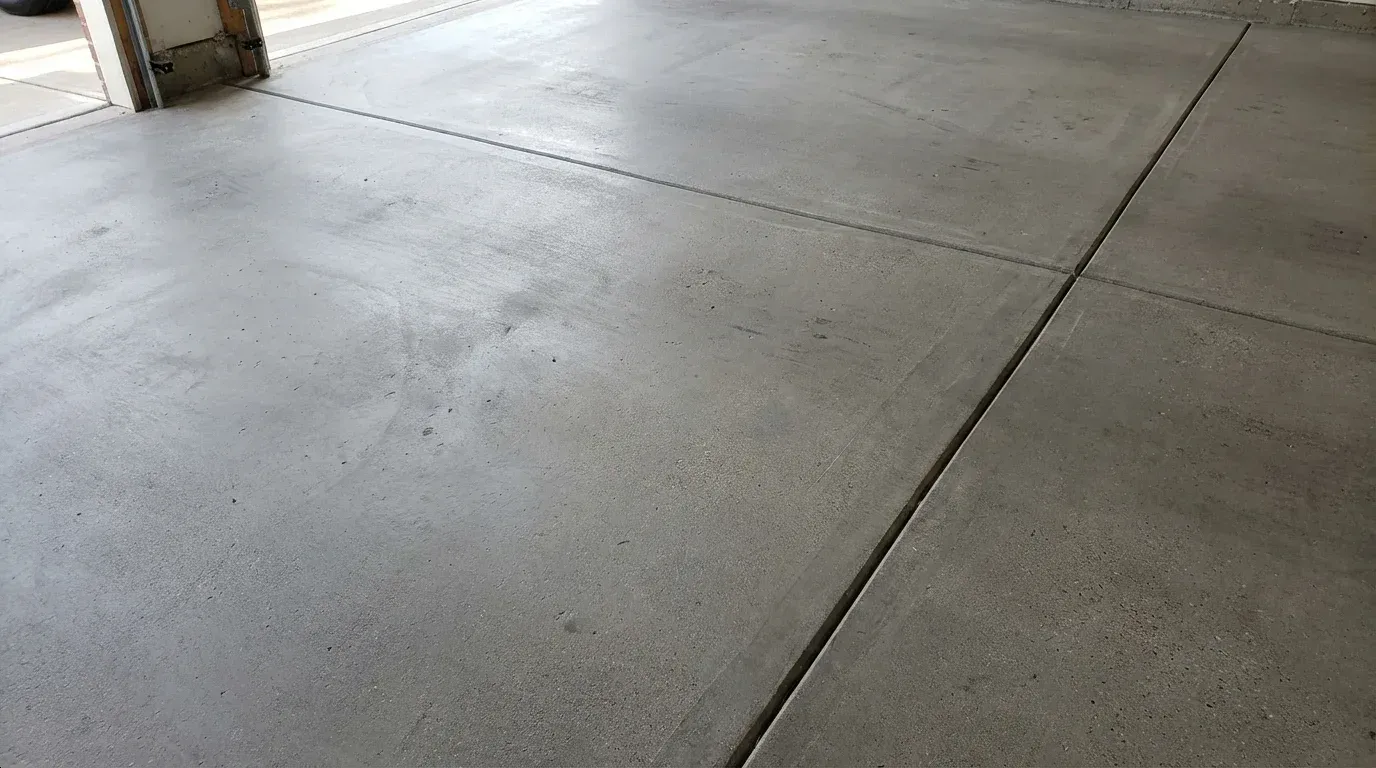
Then there's the temperature swing. Apple Valley summers regularly push past 100°F while winter nights can dip below freezing — sometimes in the same week during shoulder seasons. That kind of daily and seasonal thermal cycling puts real stress on concrete, which is why we control pour timing, use appropriate curing compounds, and place control joints at intervals engineered for our climate rather than generic textbook spacing. Concrete poured without accounting for High Desert heat and cold cures too fast on the surface and too slow underneath, setting up the shrinkage cracks so many older Apple Valley driveways and patios show today.
We also factor in Apple Valley's wind exposure. Open lots without much windbreak — common on the town's larger rural parcels — dry concrete surfaces faster than shaded urban lots, so our crews adjust water content, use evaporation retardants when needed, and time pours for early morning or late afternoon during peak summer months. It's the kind of local calibration you only get from a contractor who pours in this specific stretch of the Mojave, not a crew driving out from the valley for a single job.
Concrete Contractor Serving Every Corner of Apple Valley
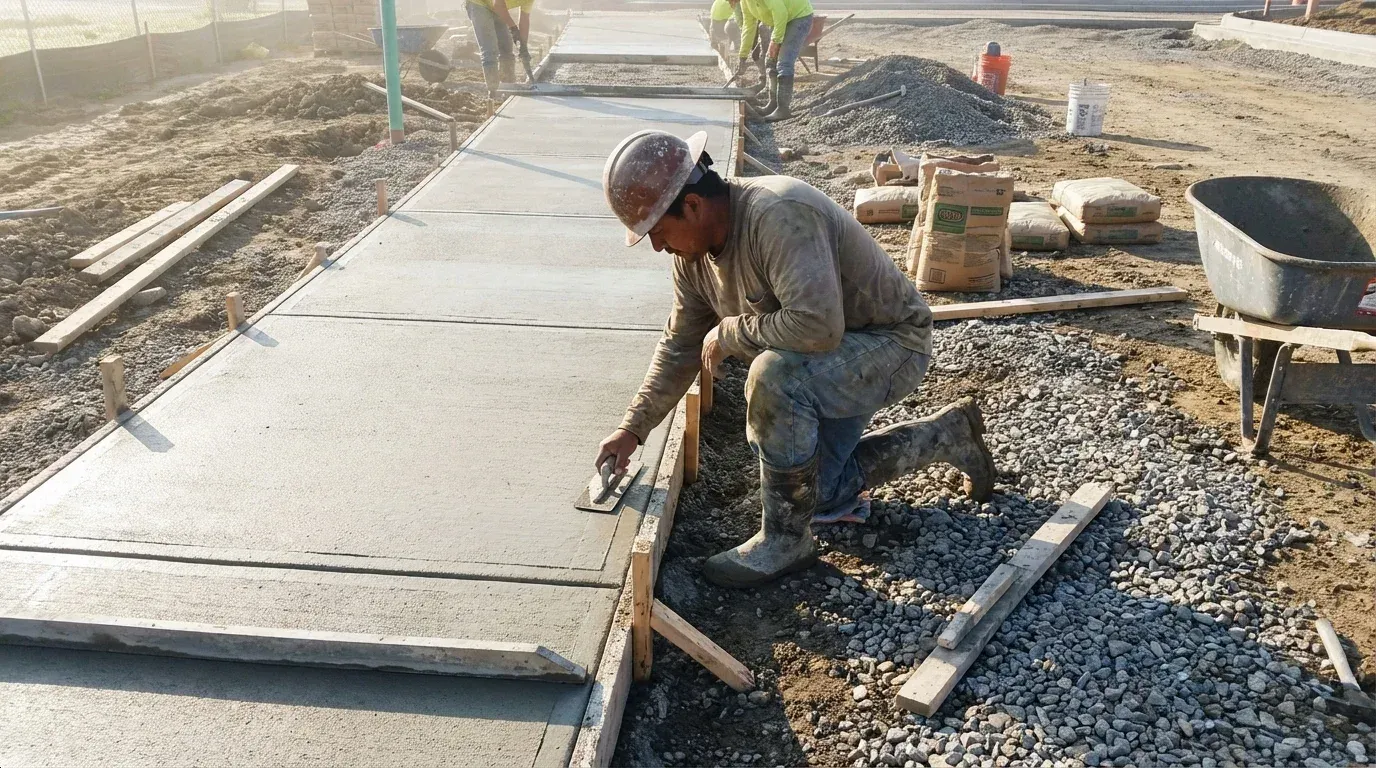
Our Apple Valley work spans the town's full geography. We're regularly out at Spring Valley Lake pouring dock-adjacent patios and pool decks for waterfront properties, and just as often working the wide-open horse lots near Rancherias and Johnson Road where driveways need to stretch hundreds of feet from the gate to the barn. In Jess Ranch and the newer developments off Bear Valley Road, we handle driveway replacements, walkway extensions, and small commercial flatwork for the retail centers that have grown up around that corridor.
We also serve the older, established neighborhoods near Apple Valley Village and the Civic Center area, where original 1980s and '90s-era concrete is now reaching the end of its service life. Replacing a 30-year-old driveway or sidewalk here isn't just a cosmetic upgrade — it's an opportunity to correct drainage issues and soil compaction problems that were never addressed the first time around, so the new concrete actually outlasts what it's replacing.
Victorville Superior Concrete's service area extends throughout the High Desert and into the surrounding communities of the Inland Empire, so if you're comparing notes with a friend or family member outside Apple Valley, our team also handles concrete driveways, patios, and flatwork for homeowners in Highland, where similar soil and climate conditions call for the same careful approach to base prep and curing.
Why Apple Valley Homeowners Choose Victorville Superior Concrete
Apple Valley residents have plenty of reasons to be selective about who they hire — the town's mix of large rural lots and tighter subdivision parcels means every project requires a slightly different approach, and not every contractor takes the time to get it right. We do. Our estimates are written, itemized, and based on an actual site visit, not a phone-quoted guess, so you know what base preparation, reinforcement, and finish work you're paying for before we ever mix a batch.
As a locally based High Desert company, we're not driving in from Los Angeles or Riverside and disappearing after the pour. We're the same crew you can call if a control joint needs attention two summers from now, and our reputation in Apple Valley depends on work that holds up to next year's monsoon season and the year after that. We carry full licensing and insurance, and we're happy to walk you through soil conditions specific to your lot, whether that's caliche near the golf course or looser fill soil out toward the airport.
From small sidewalk repairs to full equestrian facility pours, we treat every Apple Valley project — regardless of size — with the same base-prep standards and finish quality. That consistency is why so many of our Apple Valley customers come from referrals: neighbors who saw a driveway or patio we poured down the street and wanted the same result.
Concrete in Apple Valley — Common Questions
Does Apple Valley's caliche soil require special preparation before pouring concrete?
Yes. Many Apple Valley lots, especially those near the Sidewinder Mountains and the golf course area, sit on caliche hardpan that must be broken up, removed, or properly compacted with base rock before a slab is poured. Skipping this step is one of the most common causes of premature cracking and settling in older Apple Valley driveways, so we always evaluate soil conditions on-site before finalizing a bid.
Can you pour concrete for horse properties and equestrian facilities in Apple Valley?
Absolutely — equestrian concrete is a regular part of our Apple Valley workload. We pour wash racks, barn aisle slabs, arena perimeter footing, and extended driveways designed to handle horse trailers and heavy vehicle traffic, all reinforced and sloped for proper drainage on larger rural parcels common around Rancherias Road and Johnson Road.
How does Apple Valley's summer heat affect concrete curing?
With summer highs regularly exceeding 100°F, concrete can cure too quickly on the surface while remaining soft underneath, leading to shrinkage cracks. We schedule pours for cooler parts of the day, use curing compounds suited to arid heat, and adjust water content and joint spacing specifically for High Desert conditions rather than applying generic statewide standards.
Do you handle permits for concrete work within the Town of Apple Valley?
Yes, we're familiar with the Town of Apple Valley's building and permitting requirements for driveways, flatwork, and structural slabs, and we can manage the permitting process on your behalf so your project meets local code without added hassle on your end.
How long should new concrete cure before I drive on it in Apple Valley's climate?
We generally recommend waiting 7 days before light vehicle traffic and a full 28 days before parking heavier vehicles like RVs or horse trailers, though in Apple Valley's hot, dry summers we monitor curing closely and may adjust that timeline slightly to account for faster surface drying versus slower internal strength gain.
Get a Free Concrete Estimate for Your Apple Valley Property
Whether you're pouring a new driveway, replacing a cracked patio, or building out concrete for a horse property, Victorville Superior Concrete is ready to walk your site and provide a straightforward, written estimate. Call us today to schedule your free Apple Valley consultation and see why so many High Desert homeowners trust us with their concrete.